

Dental Cleaning vs Deep Cleaning: What’s the Difference?
Regular cleaning appointments help to keep your teeth white and your gums in top shape. However, you might have heard the term deep cleaning thrown around during an appointment and not been so sure how much different a deep cleaning is from your regular visit. Is it just a more thorough cleaning, or are the terms referring to something completely different?
Knowing the differences between dental cleaning and deep cleaning can help you become a more informed participant in your own oral healthcare and will prevent confusion during your visits. In this blog post, we will cover both when the procedures are performed and how they relate to your oral health.
What is Dental Cleaning?
Dental cleaning is standard maintenance that helps keep your oral health at an optimal level by removing plaque and tartar from your teeth. Routine dental cleaning should be performed twice annually to prevent a range of dental health issues and maintain your smile’s health.
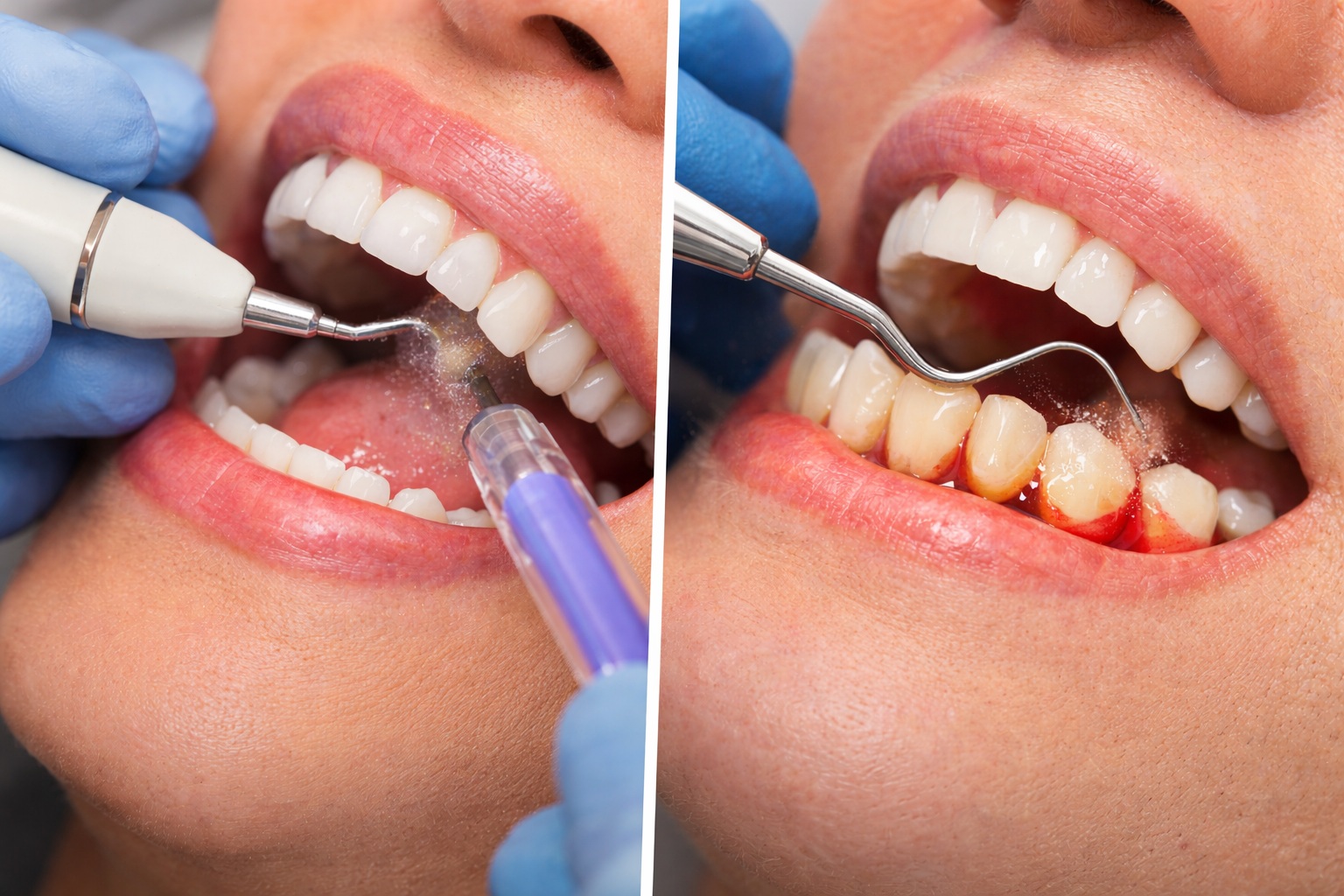
- How Your Dentist Works: During dental cleaning, your dentist in St. Louis will use several tools to properly scrape plaque and tartar from your teeth, both the surfaces and along the gum line, including ultrasonic instruments.
- Removing Plaque and Tartar: Dental cleaning is essentially a process of removing plaque (a soft, film-like buildup of bacteria) and tartar (calcified plaque) from the teeth. If left alone, plaque can develop into cavities and gum disease.
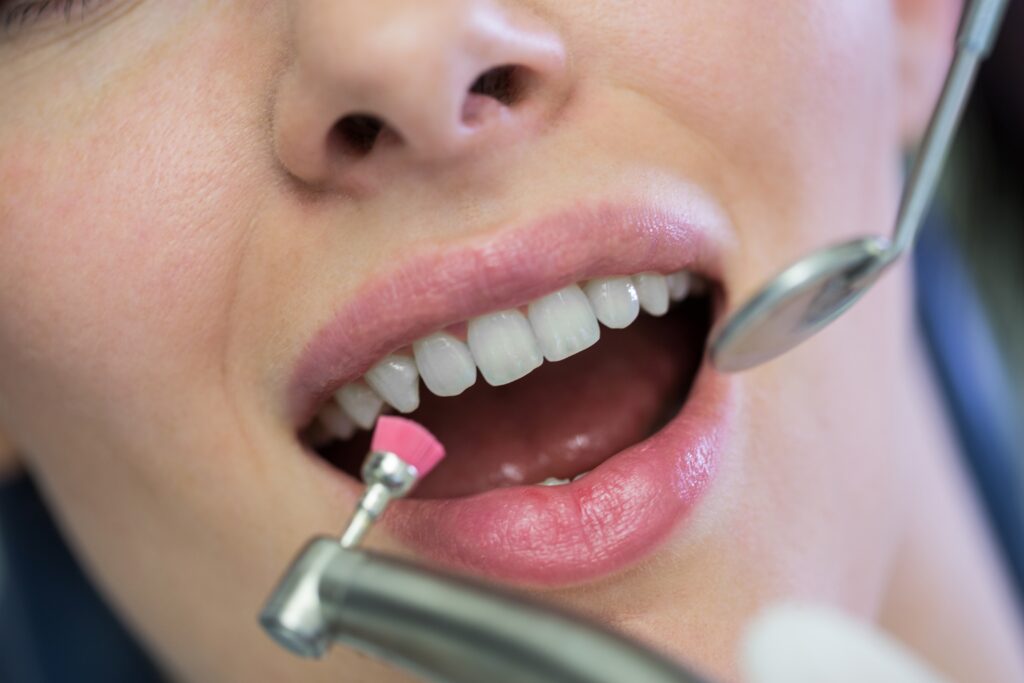
- Polishing Your Teeth: After the teeth have been cleaned, your St. Louis dentist may polish them to remove surface stains and promote whiteness and a smooth texture.
- Prevention of Dental Health Issues: Dental cleanings are essential for preventing cavities, gum disease, and other oral health concerns.
What is Deep Cleaning?
Deep cleaning is more intensive than your routine cleaning. It’s usually necessary when you have some plaque and tartar buildup underneath your gum line. This type of deep clean focuses on hard-to-reach areas to help control and prevent gum disease.
1. Scaling: Removing Plaque and Tartar
Scaling is done using special instruments. It helps remove plaque and tartar buildup on and under your gum line. This eliminates harmful bacteria from your mouth that cause gum disease.
2. Root Planing: Smoothing Root Surfaces
Root planing helps smooth the rough surfaces of your tooth roots. It prevents bacteria from attaching to your gums and re-infecting or damaging them.
3. Treatment for Gum Disease
Your dentist usually recommends a deep cleaning to treat gingivitis or periodontitis. Deep cleaning treats the root of gum disease and restores your gums to a healthy condition.
4. Two-Step Procedure
Deep cleaning is typically performed across two separate appointments. Only one side of the mouth is cleaned during each session. Your dentist may use a local anesthetic for this procedure to ensure your comfort.
5. Post-Treatment Care
After your deep cleaning, your gums may be sensitive or swollen for a few days. They should return to their normal condition once healed.
When Do You Need Deep Cleaning?
The main indicators that you need a deep cleaning are that you are noticing signs of gum disease, including:
- Your gums bleed whenever you brush or floss.
- Gums have receded, or there are pockets between the teeth and the gum.
- Persistent bad breath doesn’t go away even after brushing and using mouthwash.
- Teeth may appear loose or may even shift, typically a sign of severe gum disease.
If you are facing any of the symptoms listed above, you should schedule an appointment with a dentist in St. Louis to ensure an accurate diagnosis. Early treatment of gum disease can prevent further progression and tooth loss.
Understanding the Difference Between Dental Cleaning and Deep Cleaning
Dental cleaning and deep cleaning both aim to remove plaque and tartar buildup, but the key difference is when they should be done-this is determined by the amount of plaque and tartar in the mouth. Both dental and deep cleanings play a vital role in maintaining your oral health. Here’s a comparison to highlight their differences:
Dental Cleaning
- Frequency: Routine cleaning is typically done every six months.
- Scope: Focused on cleaning the tooth surface above the gumline.
- Procedure: Noninvasive; a fast cleaning and removal of plaque and tartar from the tooth surfaces.
- Comfort: A dental cleaning should be a comfortable treatment and will likely cause minimal to no discomfort for patients.
Deep Cleaning
- Frequency: It is done when significant tartar and plaque are noticed below the gumline, which are often caused by gum disease.
- Scope: Includes removal of tartar and plaque from under the gumline and at the roots of the teeth.
- Procedure: Deep cleanings are intensive and help remove bacteria deep within the tooth.
- Comfort: It may cause mild discomfort or sensitivity because it involves deep digging into the gums, and a local anesthetic may be used to improve comfort.
Benefits of Regular Cleanings
Professional cleaning every few months will benefit you in many ways by removing potentially damaging plaque, calculus, and tartar from around your gums. More importantly, you give your dentist the opportunity to screen your teeth for oral conditions that might be early or develop only once or twice a year. Cavities and gum disease are also commonly seen with oral cancer.
Additionally, this procedure will make your smile brighter. It is always better to get your teeth cleaned by a dentist in St. Louis because they have the tools to remove surface stains.
Prevent Deep Cleaning: Home Routine
There are things you can do at home to reduce the risk of needing a deep cleaning. You will need to keep up with the following:
- Brush your teeth twice daily with fluoride toothpaste.
- Use an interdental cleaner daily, such as an interdental brush, interdental picks, and floss.
- Have your teeth checked and cleaned at your dental office in St. Louis routinely.
- Use an antimicrobial mouthwash to eliminate bacteria in your mouth.
- Try to eat a balanced diet and avoid high-sugar snacks, as they increase the risk of plaque buildup.

Keep Your Smile Beautiful with Regular Visits
To help reduce the risk of needing more in-depth dental procedures, such as a deep cleaning, you will need to follow the aforementioned at-home care routine. Visiting your dentist in St. Louis twice a year for an examination and a regular cleaning is also very important for preventing the disease from worsening. This will also promote the health and brilliance of your smile.
If it is time for your next cleaning or if you have concerns about your gum health, call us today and make an appointment with Crestwood Dental Group. We would love to see you and help you achieve the perfect smile.
Questions People Ask About Dental Cleaning
What’s the difference between a dental cleaning and a deep cleaning?
Dental cleaning removes plaque and tartar above the gumline, maintaining regular oral health. Deep cleaning addresses plaque and tartar below the gumline, treating gum disease and preventing further damage to teeth and gums.
How often should I get a dental cleaning?
Most people should get a dental cleaning every six months. However, if you have gum disease or other oral health concerns, your dentist in St. Louis may recommend more frequent cleanings to maintain optimal oral health.
Is deep cleaning painful?
While deep cleaning can cause some discomfort, especially if you have advanced gum disease, your dentist can use local anesthesia to ensure you’re comfortable during the procedure. Post-treatment swelling or tenderness usually resolves within a few days.
Can I prevent the need for deep cleaning?
Yes, you can prevent deep cleaning by maintaining excellent oral hygiene habits, such as brushing and flossing daily. Regular dental visits allow your dentist to catch early signs of gum disease before they require more invasive treatment.
How long does it take to recover from a deep cleaning?
Recovery after deep cleaning usually takes a few days. You may notice gum tenderness or swelling, but this can be managed with proper care, such as avoiding hard foods and following your dentist’s aftercare instructions.
What happens if I don’t get a deep cleaning?
Without deep cleaning, gum disease can progress, leading to tooth loss, gum recession, and bone damage. Early treatment with deep cleaning can prevent these severe consequences and maintain your oral health for the long term.