

Invisalign Retainers in St. Louis, MO | Crestwood Dental Group
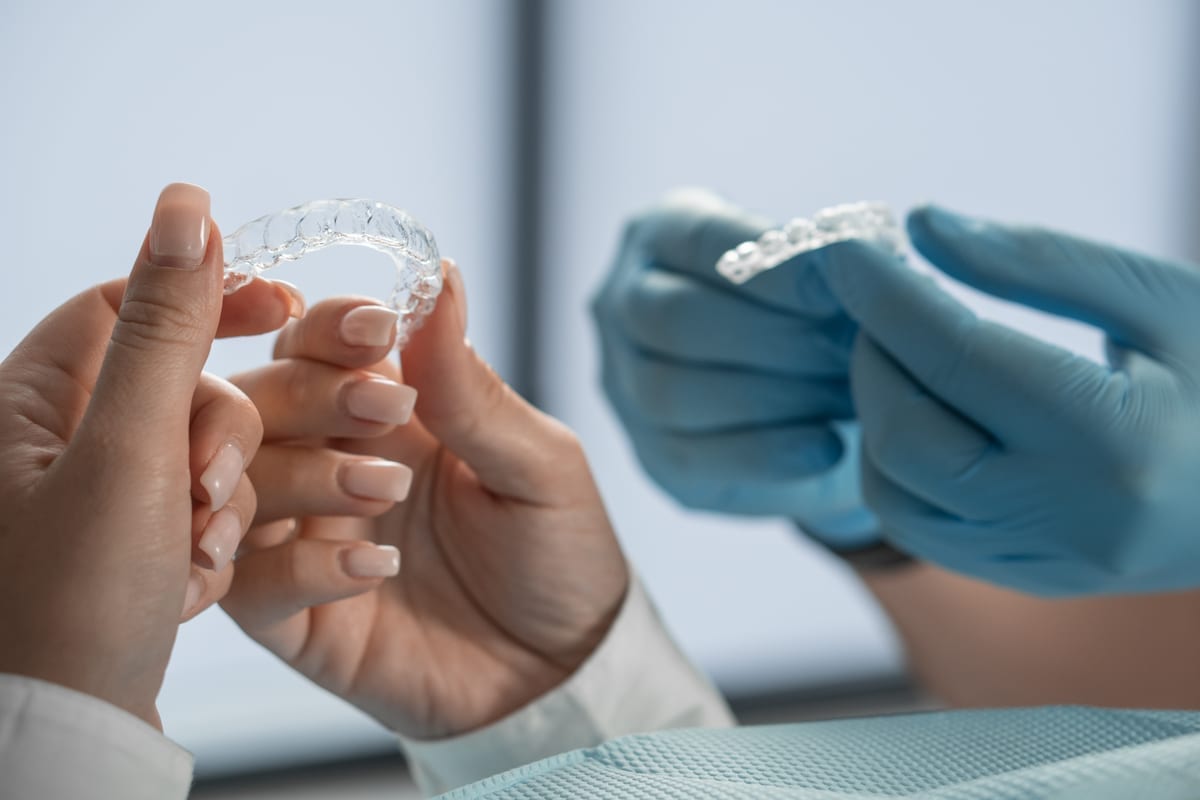
Many patients in Oakland, MO celebrate when their last Invisalign aligner is removed. It feels like the finish line. But your Invisalign journey isn’t over when treatment ends in Oakland — in fact, a critical new phase is just beginning. That phase is called retention, and skipping it can undo months of careful alignment work.
At Crestwood Dental Group, Dr. James Maxwell helps patients understand that beautiful results only last when they are properly maintained. This guide explains everything you need to know about life after Invisalign.
Why Retention Matters After Your Invisalign Journey in Oakland
Your teeth moved into new positions during Invisalign treatment. That movement was gradual and precise. However, teeth have a natural tendency to shift back toward their original positions. This process is called relapse, and it happens faster than most people expect.
The bone and soft tissue around your teeth need time to stabilize. Aligners create the movement, but retainers hold the results in place. Without retention, your investment in Cosmetic Dentistry can fade within months. Retention is not optional — it is a biological necessity.
Think of your retainer as the final aligner in your treatment plan. It does not move teeth. Instead, it preserves exactly where your teeth landed. Dr. Maxwell designs a retention plan that fits each patient’s specific bite and alignment goals.
What Happens If You Stop Wearing Your Retainer
This is one of the most common questions patients ask after Invisalign. The short answer is straightforward: teeth move back. The long answer is a little more detailed.
In the first few weeks after treatment, your teeth are especially vulnerable. The supporting bone has not yet fully hardened around the new positions. Skipping your retainer during this window creates a high risk of visible shifting.
Over time, gaps can reopen. Crowding can return. Your bite alignment may change in ways that affect chewing and jaw comfort. Some patients end up needing a second round of treatment entirely. That outcome is preventable with consistent retainer use.
- Teeth begin shifting within days of stopping retainer use
- Front teeth are often the first to show visible movement
- Spaces that were closed during treatment may reopen
- Bite problems can return and cause jaw discomfort
- A second course of Invisalign may become necessary
If you ever experience sudden pain or bite changes, contact our team for Emergency Care right away. Dental changes caught early are always easier to address.
Types of Retainers and How to Choose the Right One
Not all retainers are the same. Dr. Maxwell will recommend the best type based on your treatment results and lifestyle. Understanding your options helps you commit to a plan that works for you.
There are two main categories of retainers: removable and fixed. Each has distinct advantages depending on your situation.
- Clear removable retainers: These look similar to Invisalign aligners. They are comfortable, discreet, and easy to clean. Most Invisalign patients prefer this style because it feels familiar.
- Hawley retainers: These use a wire and acrylic base. They are durable and adjustable. Some patients prefer them for long-term wear.
- Fixed (bonded) retainers: A thin wire is bonded behind your front teeth. You never have to remember to wear them. They require careful flossing but offer consistent protection.
Many patients use a combination approach. A fixed retainer holds the lower front teeth in place. A removable clear retainer is worn at night for the upper arch. Dr. Maxwell will walk you through the best option at your post-treatment appointment.
How Long Do You Need to Wear a Retainer in Oakland?
This is the question almost every Invisalign patient asks. The honest answer is: for a very long time. In most cases, Dr. Maxwell recommends wearing retainers indefinitely.
Here is how the timeline typically looks for patients in Oakland and the greater St. Louis area:
- Months 1–6: Wear your retainer full-time, removing only to eat and brush. This is the most critical stabilization period.
- Months 6–12: Most patients transition to nighttime-only wear. Your teeth are more stable, but still need nightly support.
- Year 1 and beyond: Nightly retainer use becomes a long-term habit. Many orthodontic professionals recommend continuing this indefinitely.
Teeth never truly stop shifting throughout your lifetime. Factors like aging, grinding, and gum health all influence movement. A retainer worn nightly is a simple, low-effort habit that protects your smile for decades.
If you lose or break your retainer, do not wait to replace it. Even a few days without one can allow noticeable movement. Contact Crestwood Dental Group promptly to get a replacement made quickly.
Caring for Your Retainer the Right Way
A retainer only works when it is clean and undamaged. Poor retainer care leads to hygiene problems and shortened lifespan of the device. A few simple habits keep your retainer effective and hygienic.
Rinse your retainer with cool water every time you remove it. Never use hot water — heat warps the plastic and changes the fit. Brush it gently with a soft toothbrush and mild soap to remove plaque buildup.
Store your retainer in its case whenever it is not in your mouth. Most broken retainers are stepped on or accidentally thrown away. Keeping it in a labeled, protective case prevents these common accidents.
Schedule regular checkups with Dr. Maxwell so he can evaluate your retainer’s fit and condition. Over time, retainers can wear down or warp subtly. A professional evaluation ensures your retention is actually working as intended.
Frequently Asked Questions
How soon after Invisalign do I need to start wearing a retainer?
You should begin wearing your retainer immediately after your final aligner is removed. The first 48 to 72 hours are especially important. Teeth are most susceptible to shifting right after treatment ends. Dr. Maxwell will have your retainer ready so there is no gap in protection.
Can I wear my last Invisalign aligner as a retainer?
Your final aligner is not designed for long-term retention use. It will wear out faster than a purpose-made retainer. It may also not fit as precisely after extended use. Dr. Maxwell recommends a proper retainer fabricated specifically for post-treatment retention.
What if my retainer no longer fits comfortably?
A retainer that feels tight usually means your teeth have shifted slightly. Do not force it. Wearing a poorly fitting retainer can cause discomfort or damage. Contact Crestwood Dental Group as soon as possible so Dr. Maxwell can evaluate whether a new retainer or minor refinement is needed.
Is nighttime-only retainer wear really enough long-term?
For most patients, yes. After the initial full-time phase, nightly wear provides adequate protection against shifting. Consistency is what matters most. Wearing your retainer every night — even years after treatment — is the single most effective way to protect your Invisalign results.
Does wearing a retainer feel uncomfortable over time?
Most patients adapt quickly to their retainer. Clear removable retainers feel very similar to Invisalign aligners. Some minor tightness in the morning is normal if teeth tried to shift overnight. If you experience persistent pain or significant pressure, schedule a visit with Dr. Maxwell to check the fit.
Your smile after Invisalign is worth protecting. The retention phase is simple, affordable, and easy to maintain once it becomes a nightly habit. Dr. James Maxwell and the team at Crestwood Dental Group are here to guide every Oakland patient through each stage of their smile journey. Book Now to schedule your appointment with our team.