
Sinus Lifts: When They Are Necessary for Upper-Jaw Implants
Have you ever considered how your sinuses could impact the success of your dental implants? If you’re looking to restore your smile with implants but have significant bone loss in your upper jaw, a sinus lift may be the solution you need. At Crestwood Dental Group, we understand how crucial it is to ensure your implants have a strong foundation, and sometimes that means addressing the bone structure in your upper jaw.
Dental implants are a reliable and long-lasting solution for missing teeth, but achieving the best results often requires optimal bone support. A sinus lift procedure plays a vital role in creating that support, ensuring your implants can securely anchor into place. Let’s dive into what a sinus lift is, when it’s necessary, and how it can benefit your dental health.
What is a Sinus Lift?
A sinus lift, also known as a sinus augmentation, is a specialized surgical procedure designed to enhance the bone volume in the upper jaw, specifically in the area of the molars and premolars. The upper jaw is in proximity to the sinus cavities, and in many cases, a lack of sufficient bone height can make it difficult to place dental implants.
In a sinus lift, the sinus membrane is carefully lifted, and bone graft material is inserted into the space to create a stable foundation for implants. The procedure is typically performed under local anesthesia, ensuring that the patient remains comfortable throughout the surgery.
The Role of Your Sinus Cavity
Your sinus cavity, located just above the upper teeth, can sometimes limit the amount of bone available for implant placement. Over time, bone loss in this area can occur due to missing teeth, infections, or prolonged gum disease. A sinus lift addresses these concerns by building up the bone to provide enough height for implant success.
The Process of the Surgery
The surgery is minimally invasive, involving a small incision made in the gum tissue to access the sinus cavity. Once the membrane is gently raised, bone grafting material is placed to enhance the area. Over the course of several months, the graft integrates with your existing bone, making it stronger and more stable for implant placement.
Why Sinus Lifts are Necessary for Upper-Jaw Implants
For many patients, especially those who have lost teeth in the upper jaw, there simply isn’t enough bone remaining to support dental implants. Bone loss in the upper jaw is common, especially after tooth loss, which can lead to a decrease in bone density and volume. Without enough bone, implants cannot be securely anchored, potentially leading to complications.
A sinus lift provides a solution by adding bone grafts to the area around the sinus cavity. This procedure increases the bone height and volume, making it possible for implants to be successfully placed. Without this procedure, implants would likely fail to integrate with the jawbone, which can be both uncomfortable and costly.
The Connection Between Bone Loss and Implant Failure
When the upper jawbone loses volume, the sinuses expand into the space where the bone once was. This expansion reduces the available bone for implant placement. A sinus lift allows your dentist to create more room for the bone graft and ensures the integrity of your implant. By restoring bone height, this procedure makes dental implants in St. Louis a viable option even when there’s significant bone loss.
How a Sinus Lift Supports Implant Success
By lifting the sinus membrane and adding grafting material, a sinus lift allows the bone to regenerate and become more stable. Once healed, this new bone structure supports implants in the upper jaw with lasting results. Without this extra step, implant procedures could lead to failure, discomfort, and additional surgeries.
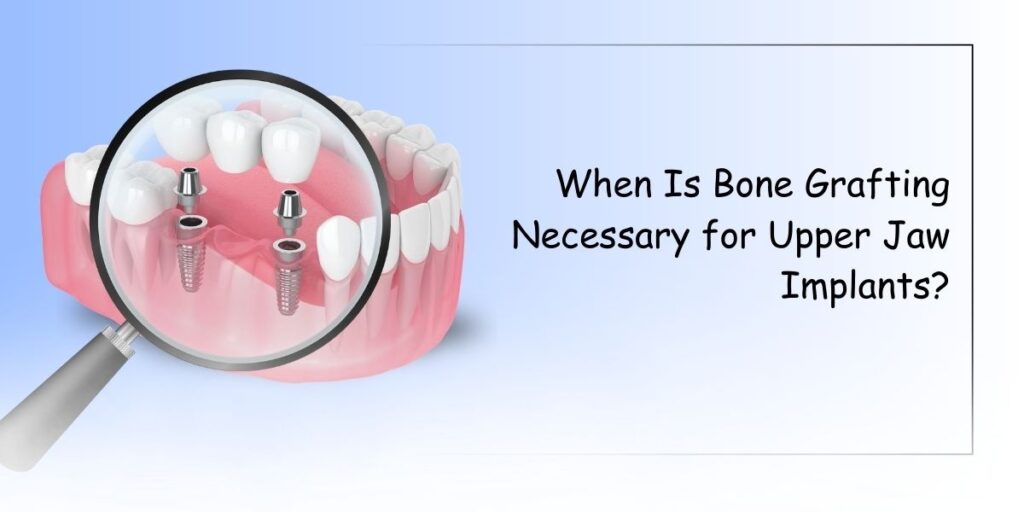
The Sinus Lift Procedure: Step-by-Step
Pre-Procedure Consultation
Before undergoing a sinus lift, it’s important to schedule a consultation with your dentist at Crestwood Dental Group. During this appointment, your dentist will evaluate the condition of your upper jaw and sinuses using advanced imaging techniques, like X-rays or CT scans, to determine the extent of bone loss. Your dentist will also discuss your overall health and any potential risks involved with the procedure.
Sedation and Anesthesia Options
A sinus lift is usually performed under local anesthesia, ensuring you remain comfortable throughout the procedure. For patients who experience anxiety, sedation options are available to make the process even more relaxed. You will be awake, but the area being treated will be completely numb.
Steps of the Surgery
The procedure starts with a small incision in the gum tissue to expose the underlying bone. The dentist carefully lifts the sinus membrane, creating space for the bone grafting material to be placed. Once the material is securely in place, the incision is sutured, and the healing process begins.
Recovery Time and Aftercare
After the surgery, patients may experience mild swelling and discomfort for a few days, but these symptoms usually subside quickly. Your dentist will provide detailed aftercare instructions, including dietary recommendations and guidance on avoiding strenuous activities for a few weeks. The bone graft will take a few months to fully integrate with your natural bone, but once healed, it will provide the support needed for dental implants.
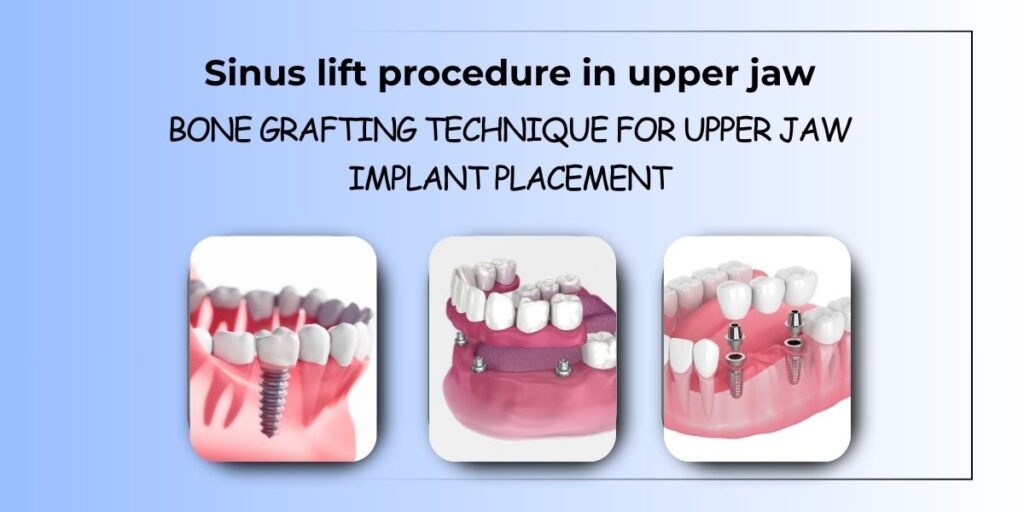
Who Needs a Sinus Lift?
Not everyone will need a sinus lift before getting upper-jaw implants. Typically, patients who have significant bone loss in the upper jaw or who have faced prolonged tooth loss may require this procedure to ensure implant success. Some common scenarios include:
- Bone Loss Due to Tooth Loss
If you’ve been missing teeth in the upper jaw for a long time, the bone may have resorbed or shrunk, leaving insufficient volume for implants. A sinus lift can add the necessary bone to support implants. - Gum Disease
Severe gum disease can lead to bone loss in the jaw. If this occurs, a sinus lift can restore the bone’s strength and create a foundation for implants. - Previous Jaw Injuries
Injuries to the upper jaw may lead to bone loss in the sinus area. A sinus lift can help rebuild the bone structure after such an injury.
Who May Not Be a Good Candidate?
Patients with severe medical conditions, such as uncontrolled diabetes or active sinus infections, may not be ideal candidates for this procedure. It’s important to have a full medical evaluation before proceeding.
Benefits of Sinus Lifts for Dental Implants
Improved Implant Stability and Long-Term Success
The primary benefit of a sinus lift is that it ensures the long-term success of dental implants in St. Louis. By restoring the necessary bone volume, a sinus lift allows for the secure placement of implants that will remain stable for many years.
Restored Ability to Chew and Speak Comfortably
With implants supported by a sinus lift, patients can regain full functionality of their teeth. This means being able to chew and speak without discomfort or embarrassment, restoring normal oral function.
Enhanced Aesthetic Outcomes
A sinus lift can also help restore the aesthetics of your smile. By ensuring that your implants are placed securely and look natural, the procedure provides both functional and cosmetic benefits, enhancing your overall appearance.
Incorporating a sinus lift into your dental implant procedure can be the key to achieving a successful, long-lasting smile restoration. If you’re considering implants but are concerned about bone loss in your upper jaw, a sinus lift could be the solution you need. At Crestwood Dental Group, we offer personalized care and advanced treatments to ensure the best possible outcomes for your dental health.
Contact Crestwood Dental Group today to schedule a consultation and find out if a sinus lift is right for you. Our team is ready to help you restore your smile and enhance your quality of life with dental implants.
How long does recovery take after a sinus lift?
Recovery usually takes a few months as the grafted bone integrates. Most patients resume normal activities in 1–2 weeks, with full healing taking around 4–6 months.
How do I know if I need a sinus lift?
If you’ve experienced significant bone loss in the upper jaw or are having difficulty with dental implants, a sinus lift may be recommended. Your dentist will assess your condition.
How long after a sinus lift can I get dental implants?
You typically need to wait 4–6 months for the bone graft to fully integrate with your natural bone before dental implants can be placed.
Can I resume normal activities after a sinus lift?
You may need to rest for a few days after the procedure and avoid strenuous activities for a few weeks to ensure proper healing.
Will I need follow-up appointments after the sinus lift?
Yes, follow-up visits will be scheduled to monitor healing and ensure the bone graft integrates successfully before proceeding with dental implants.