
When Dental Swelling Becomes an Emergency
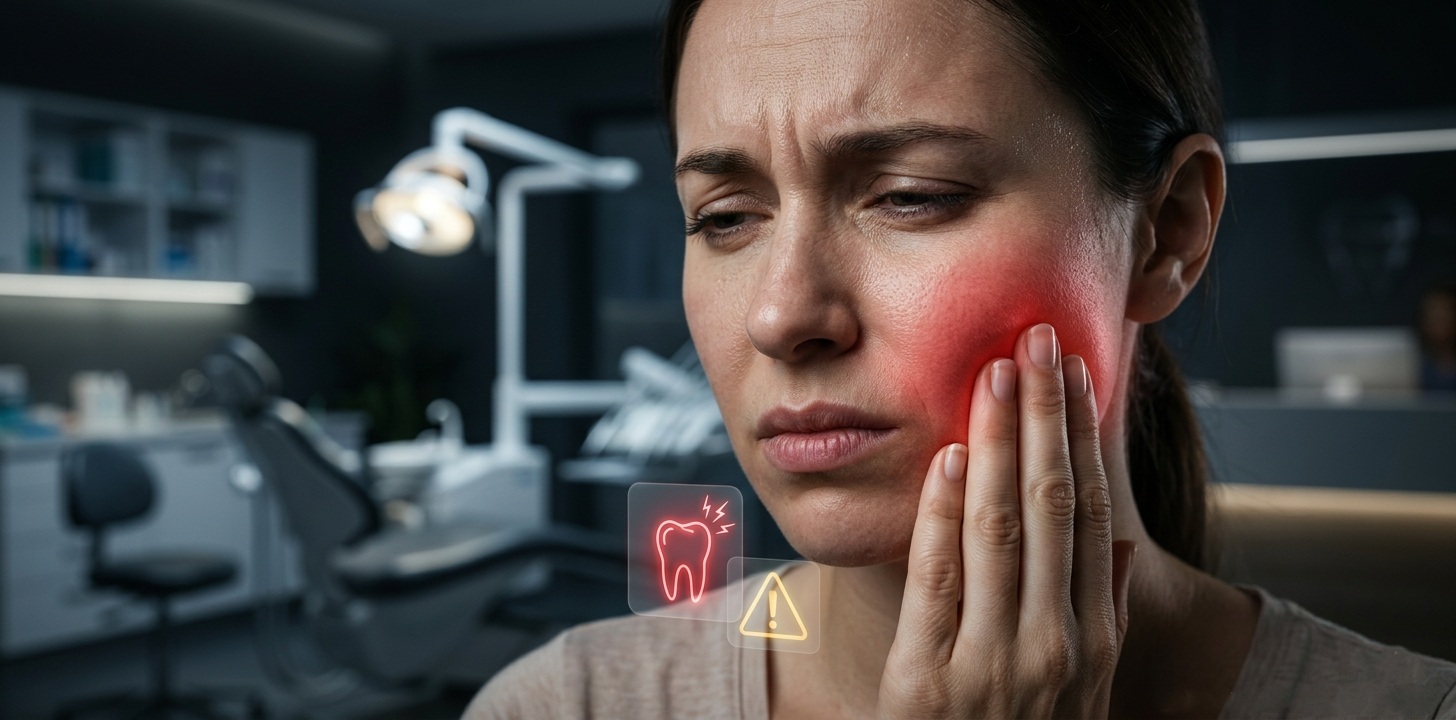
Dental swelling can be sudden and vary from mild discomfort to severe pain. Although minor issues, such as gum irritation or a recent dental procedure, may contribute to swelling, more severe conditions can cause swelling that indicates a dental emergency. For those whose issues are left unaddressed, the concerns can quickly spiral out of control to cause pain and to spread infection. Learning when dental swelling constitutes an emergency is key to avoiding additional complications.

The mouth is home to many sensitive tissues, and an infection or injury can spread quickly from here, posing serious health risks. Being aware of the specific signs that indicate you should see a dentist right away can help protect your health and keep your smile intact. In this blog, we will discuss the causes of dental swelling, when to consider it an emergency, and when to seek timely care from a professional.
What Causes Dental Swelling?
Swelling around your mouth and in the surrounding area may be caused by several dental conditions. There are several reasons that can lead to dental swelling:
1. Dental Abscess
A bacterial infection that leads to a pocket of pus, usually leading to localized swelling around the affected tooth. An abscess can be very painful and needs to be treated right away to keep the infection from spreading.
2. Gum Disease (Gingivitis & Periodontitis)
Gum inflammation and infection can lead to redness, swelling, and bleeding. Untreated gum disease can cause severe swelling and potentially lead to tooth loss.
3. Tooth Infection
If left untreated, a cavity can allow bacteria to enter the tooth’s pulp, where it can cause an infection. It can cause swelling around the infected tooth, often accompanied by severe pain.
4. Trauma or Injury
Injuries or falls can damage the gums, teeth, or soft tissues in the mouth; such injuries can lead to bleeding, which causes swelling. Traumatic swelling can also present with bruises or cuts.
5. Impacted Wisdom Teeth
When wisdom teeth do not grow in properly, they can become impacted, which can cause swelling, pain, and even infection.
Signs Your Dental Swelling is an Emergency
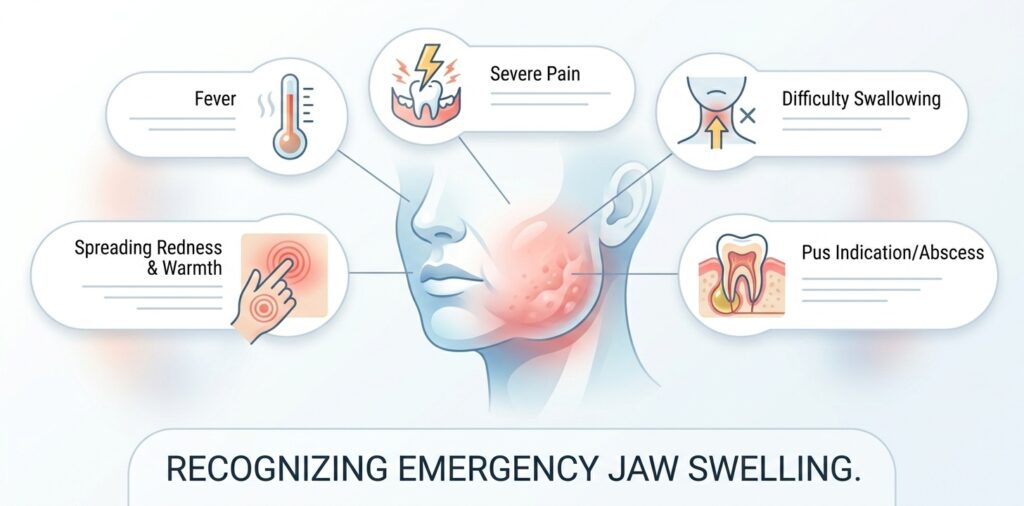
Swelling that develops quickly or keeps worsening can be a sign of a dental emergency. Here are some signs you should consider seriously and visit an emergency dentist in St. Louis:
- Severe Pain: Severe, continual pain at the injury site that’s not relieved by over-the-counter medication. Severe pain can be a sign of something more serious, such as an infection or abscess.
- Difficulty Breathing or Swallowing: Swelling that affects your ability to breathe or swallow is serious and may indicate the spread of infection.
- Spreading Swelling: If swelling starts to spread from the site of the infection up your face, down your neck, or to other areas of the body, it’s time to seek emergency dental care.
- Abscess or Pus Formation: The presence of a visible abscess or pus near the swollen area indicates the need for immediate care to prevent infection from spreading.
- Fever: Fever and dental swelling can indicate that the infection has spread, requiring emergency treatment to prevent further complications.
How to Prepare for the Emergency Appointment
If you ever need to go to an emergency dentist, being prepared for your appointment will make all the difference in ensuring you receive quick, efficient treatment. Here are some things you can do before a trip to the dentist:
- Gather Your Medical History: Also, take a list of any current medications and relevant medical conditions, including allergies or recent surgeries.
- Prepare for Pain Management: If you’re in pain, keep over-the-counter pain relievers handy to relieve discomfort until your appointment.
- Bring Insurance or Payment Information: Have your insurance or credit card ready to speed up the check-in process.
- Describe Your Symptoms Clearly: Be prepared to describe the details of your symptoms, including when the swelling started and how extreme it has been, along with any other visible signs.
By planning ahead, you’ll spend less time worrying about when you can get the care you need and more time actually getting that care in a timely and efficient manner.
What to Expect During a Dental Emergency Visit
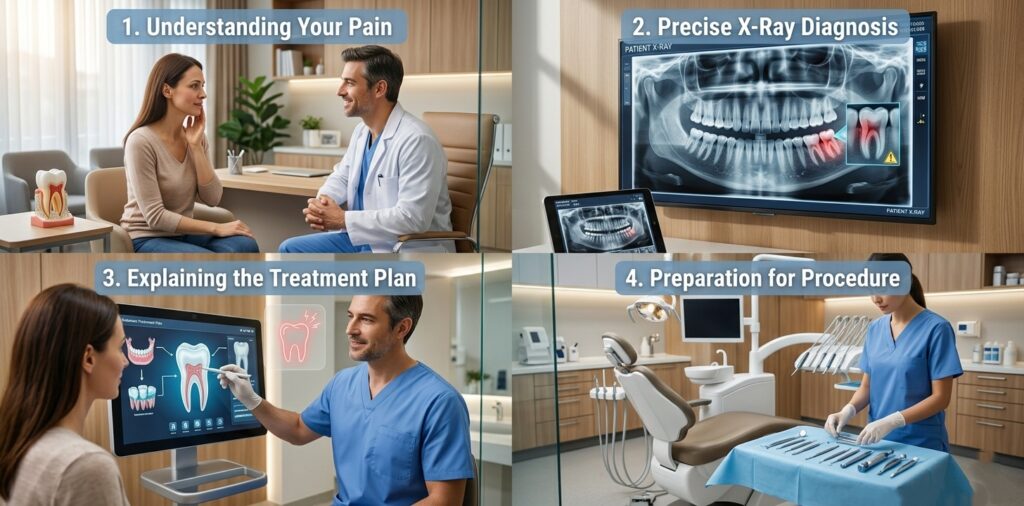
While visiting an emergency dentist can feel overwhelming, knowing what to expect can put your mind at ease. Here’s how your emergency dental appointment will go:
- Initial Evaluation: The dentist will first assess the severity of your swelling and infection symptoms. They might inquire about your medical history and any recent dental problems to better diagnose the cause.
- X-Rays and Examination: As part of a closer assessment, the dentist might also take X-rays or dental films to check for infection or damage to your bone structure.
- Treatment Plan: Depending on the diagnosis, the dentist will review treatment options with you, which might include draining an abscess, prescribing antibiotics for infection, or performing procedures such as a root canal.
- Pain Relief and Aftercare: After ensuring pain relief, the dentist will provide instructions for post-treatment care to support a swift recovery while preventing complications.
How to Prevent Dental Swelling
Although dental swelling may occur suddenly, there are ways to reduce the risk and maintain healthy oral health. Here’s how to avoid dental swelling in the future:
- Maintain Good Oral Hygiene: Brush at least twice a day and floss daily to help eliminate plaque and bacteria that can cause infections and swelling.
- Schedule Regular Dental Checkups: See your dentist twice a year for check-ups and cleaning. This can also help identify any issues so that things do not escalate into swelling or serious matters.
- Avoid Tooth Damage: Wear a mouthguard during any sports or activities that could injure your teeth.
- Treat Gum Disease Early: If you notice any symptoms of gum disease, such as bleeding or swollen gums, make sure to visit your dentist right away so it doesn’t escalate into a more serious condition.
- Watch Your Diet: Reduce sugary foods and drinks, which can cause tooth decay, increasing the risk of an infection that can lead to swelling.
The above steps can help reduce your risk of developing a swollen face and mouth pain at some point in life.
Stay Proactive for a Healthier Smile
When you notice growth in your mouth or face, it’s important to evaluate whether it needs immediate attention. Dental swelling can quickly lead to a serious issue if you do not treat it promptly. If you feel discomfort, difficulty swallowing, or a visible abscess, don’t wait for the problem to escalate. Contact an emergency dentist in St. Louis for immediate care.
We know dental emergencies can occur at any time, which is why we are here for you at Crestwood Dental Group. If you have dental swelling or other emergency dental concerns, we can help. Call us today to book a consultation and make your first step towards feeling better.
Questions People Ask About Dental Swelling
What are the first signs of dental swelling?
Dental swelling usually starts as mild discomfort or tenderness. As it worsens, it can cause noticeable swelling around a tooth, along with pain and possibly fever. If this swelling doesn’t subside within a day or two, it’s a sign to seek professional care.
How can I relieve swelling before seeing a dentist?
Rinsing your mouth with warm saltwater can help reduce swelling temporarily. Applying a cold compress to the outside of your cheek can also provide some relief. However, this is only a temporary measure, seeing an emergency dentist is essential for proper treatment.
Can a tooth infection cause facial swelling?
Yes, a tooth infection can cause facial swelling. When an infection reaches an abscess stage, it can spread to the surrounding tissues, including the face. This requires prompt attention from an emergency dentist to prevent the infection from spreading.
Should I go to the emergency dentist for dental swelling?
If you are facing difficulty breathing or swallowing, severe pain, or rapid swelling, you should go to an emergency dentist. For less severe swelling, an emergency dentist can provide the appropriate care.
How long does dental swelling last?
Dental swelling should not last more than a few days without treatment. If it persists, worsens, or is accompanied by other symptoms like fever, it’s crucial to seek dental care immediately.
Can dental swelling be prevented?
Good oral hygiene, regular dental visits, and addressing dental issues early can help prevent many causes of dental swelling, such as infections and gum disease. However, some situations, like trauma or accidents, are unavoidable, making it important to know when to seek care.