
Will Teeth Whitening Actually Work for You
Teeth whitening is one of the most popular cosmetic treatments available today. But will teeth whitening actually work for you in St. Louis? The honest answer is: it depends. Not every type of discoloration responds to whitening products the same way. Understanding your specific situation helps you make smarter choices before spending time or money on treatment.
At Crestwood Dental Group, Dr. James Maxwell helps patients in St. Louis understand exactly what whitening can and cannot do. This guide will walk you through who tends to get the best results — and who may need a different approach entirely.
How Teeth Whitening Works in St. Louis
Most professional whitening treatments use hydrogen peroxide or carbamide peroxide as the active ingredient. These compounds penetrate the outer enamel layer. They break apart the molecules responsible for staining and discoloration. The result is a noticeably brighter smile — but only under the right conditions.
Over-the-counter products work on the same principle. However, they contain much lower concentrations of peroxide. Professional treatments delivered by a dentist use stronger formulas. They also allow for customization based on your tooth sensitivity and goals.
Whitening works best on extrinsic stains — stains that sit on or near the surface of your enamel. These include stains from coffee, tea, red wine, and tobacco. If your discoloration falls into this category, you are likely a great candidate for whitening.
Who Gets the Best Results — and Why
Patients with naturally yellowish teeth tend to respond very well to professional whitening. Yellow tones are most effectively lifted by peroxide-based treatments. If your teeth are more brown or gray in tone, results may be less dramatic. That does not mean whitening will not help — it means expectations should be realistic.
Good candidates for whitening typically share a few characteristics:
- Healthy teeth and gums with no untreated decay
- Surface stains from food, beverages, or smoking
- Natural tooth enamel that has not been heavily worn down
- No major restorations on the front teeth
- Realistic expectations about the degree of whitening
Dr. Maxwell often recommends a full dental exam before starting any whitening treatment. This ensures your mouth is healthy enough to begin. It also helps identify whether your staining is extrinsic or intrinsic.
When Whitening May Not Work — Veneers, Crowns, and Restorations
This is one of the most important things to understand about teeth whitening. Whitening products do not change the color of dental restorations. If you have dental crowns, veneers, or bonding on your front teeth, those materials will not respond to bleaching agents. Your natural teeth may whiten while restorations stay the same shade.
This can actually create an uneven, mismatched appearance. That is never the goal. If you have significant cosmetic work on visible teeth, talk to Dr. Maxwell first. He can help you decide whether whitening still makes sense — or whether a different solution fits better.
For patients with existing restorations, options like Cosmetic Dentistry St. Louis services can provide a more comprehensive approach. Treatments like porcelain veneers can be matched to any shade you desire. This creates a uniform, beautiful smile regardless of your starting point.
Intrinsic Stains and Medication-Induced Discoloration
Not all staining starts on the surface of your teeth. Intrinsic stains form inside the tooth structure itself. These are significantly harder to treat with standard whitening products. In many cases, they require cosmetic solutions rather than bleaching alone.
Common causes of intrinsic staining include:
- Tetracycline antibiotic use during childhood tooth development
- Excessive fluoride exposure during enamel formation (fluorosis)
- Trauma or injury that caused internal bleeding within a tooth
- Certain medications taken during pregnancy that affect developing teeth
- Natural aging, which thins enamel and reveals darker dentin beneath
Tetracycline staining, in particular, often appears as dark gray or brown banding across the teeth. This type of discoloration is very resistant to peroxide-based treatments. Even high-concentration professional whitening may produce minimal improvement. For these patients, veneers or other cosmetic solutions tend to deliver far better outcomes.
If you are unsure whether your staining is intrinsic or extrinsic, that is exactly the kind of question Dr. Maxwell can answer during a consultation. A visual examination and your dental history provide the clearest picture.
Will Teeth Whitening Actually Work for You in St. Louis? Ask These Questions First
Before booking a whitening treatment, it helps to do a quick self-screen. These questions can guide your thinking before you visit the office.
Ask yourself the following:
- Are my teeth primarily yellowed from food and beverages?
- Do I have any untreated cavities or gum disease?
- Have I had crowns, veneers, or bonding placed on my front teeth?
- Did I take tetracycline as a child or experience fluorosis?
- Am I currently undergoing orthodontic treatment?
Speaking of orthodontics — patients currently using Invisalign St. Louis aligners should wait until treatment is complete before whitening. Whitening during active aligner use can lead to uneven results. The aligners cover portions of your teeth, which affects how evenly the bleaching agent is applied.
Tooth sensitivity is another factor worth discussing with your dentist. Patients with significant enamel erosion or naturally sensitive teeth may experience discomfort during whitening. Dr. Maxwell can recommend desensitizing protocols or lower-concentration treatments to minimize this.
Professional Whitening vs. Store-Bought Options
Many patients try whitening strips or toothpaste before visiting a dentist. These products are safe and can produce modest improvements. However, they have real limitations in terms of strength and coverage. They also cannot address underlying dental health issues.
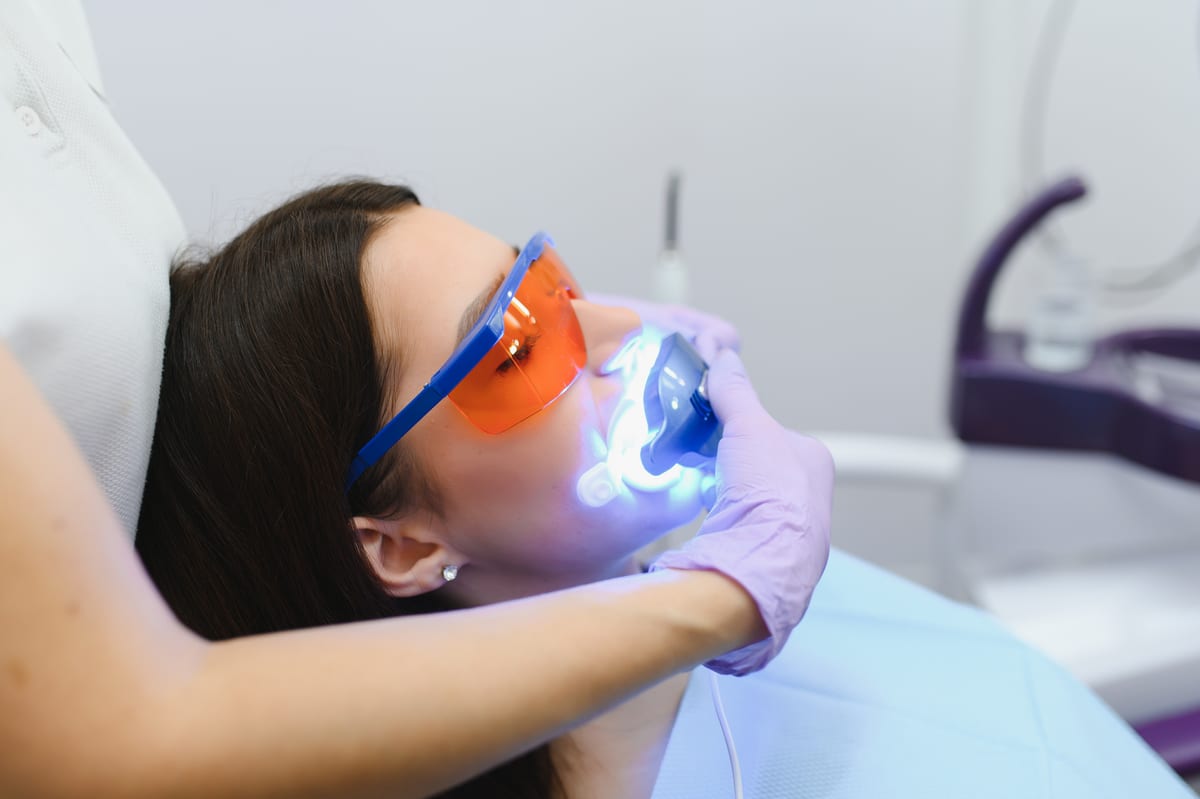
Professional whitening at Crestwood Dental Group provides a customized experience. Take-home trays fitted to your exact teeth deliver more even, consistent results. In-office treatments offer faster, more dramatic whitening in a single visit. Either way, you receive professional guidance before, during, and after treatment.
The difference in outcome is often significant. Patients who have tried store-bought products for months without satisfaction are frequently surprised by what professional whitening can achieve. The key is confirming that whitening is the right tool for your specific type of discoloration.
Conclusion: Know Before You Go
Teeth whitening is genuinely effective for the right candidate. Surface stains from lifestyle habits respond well to professional peroxide treatments. But intrinsic stains, medication-related discoloration, and existing restorations all require different solutions. Taking time to understand your situation leads to better outcomes and fewer disappointments.
Dr. James Maxwell and the team at Crestwood Dental Group are here to help St. Louis patients make informed decisions about their smiles. A quick consultation can tell you exactly what to expect from whitening — and whether a different path makes more sense for you. Book Now to schedule your appointment with our team.
Frequently Asked Questions
Does professional teeth whitening work on all types of stains?
No, professional whitening works best on extrinsic stains caused by food, drinks, and tobacco. Intrinsic stains — those formed inside the tooth — and medication-induced discoloration like tetracycline staining are much harder to treat with bleaching alone. Dr. Maxwell can evaluate your specific staining type during a consultation.
Will teeth whitening change the color of my crowns or veneers?
No. Whitening agents only affect natural tooth enamel. Dental crowns, veneers, and bonding materials do not respond to peroxide-based treatments. If you have restorations on visible front teeth, whitening could create an uneven appearance. Talk to your dentist before proceeding.
How long does professional teeth whitening last in St. Louis?
Results typically last between one and three years depending on your diet and oral hygiene habits. Regular brushing, limiting staining beverages, and occasional touch-up treatments can extend your results. Smoking or frequent coffee consumption will shorten the duration of whitening effects.
Is teeth whitening safe for sensitive teeth?
It can be, with the right approach. Patients with sensitive teeth may experience temporary discomfort during or after whitening. Dr. Maxwell can recommend lower-concentration formulas or desensitizing treatments to reduce this effect. It is important to disclose any sensitivity concerns before starting treatment.
At what age can someone start teeth whitening?
Most dental professionals recommend waiting until all permanent teeth have fully erupted, typically around age 16 to 18. Younger patients have larger pulp chambers, which makes teeth more sensitive to whitening agents. Dr. Maxwell can advise on the appropriate timing based on individual development.