
Invisalign vs. Braces: Which Straightens Adult Teeth Better
If you’re an adult considering orthodontic treatment, the choice between Invisalign and traditional braces matters more than ever. The question of Invisalign vs. braces — which straightens adult teeth better in St. Louis — doesn’t have one universal answer. Each option has real strengths and real trade-offs. At Crestwood Dental Group, Dr. James Maxwell helps St. Louis patients navigate this decision with honest, personalized guidance.
This article breaks down both treatments across the factors that matter most to adults: comfort, appearance, lifestyle impact, treatment scope, and cost.
Invisalign vs. Braces: How Each Treatment Works
Understanding the basics helps you compare intelligently. Traditional braces use metal brackets bonded to your teeth. Archwires and elastic bands apply steady pressure to shift teeth over time. Your orthodontist adjusts the tension at regular appointments throughout treatment.
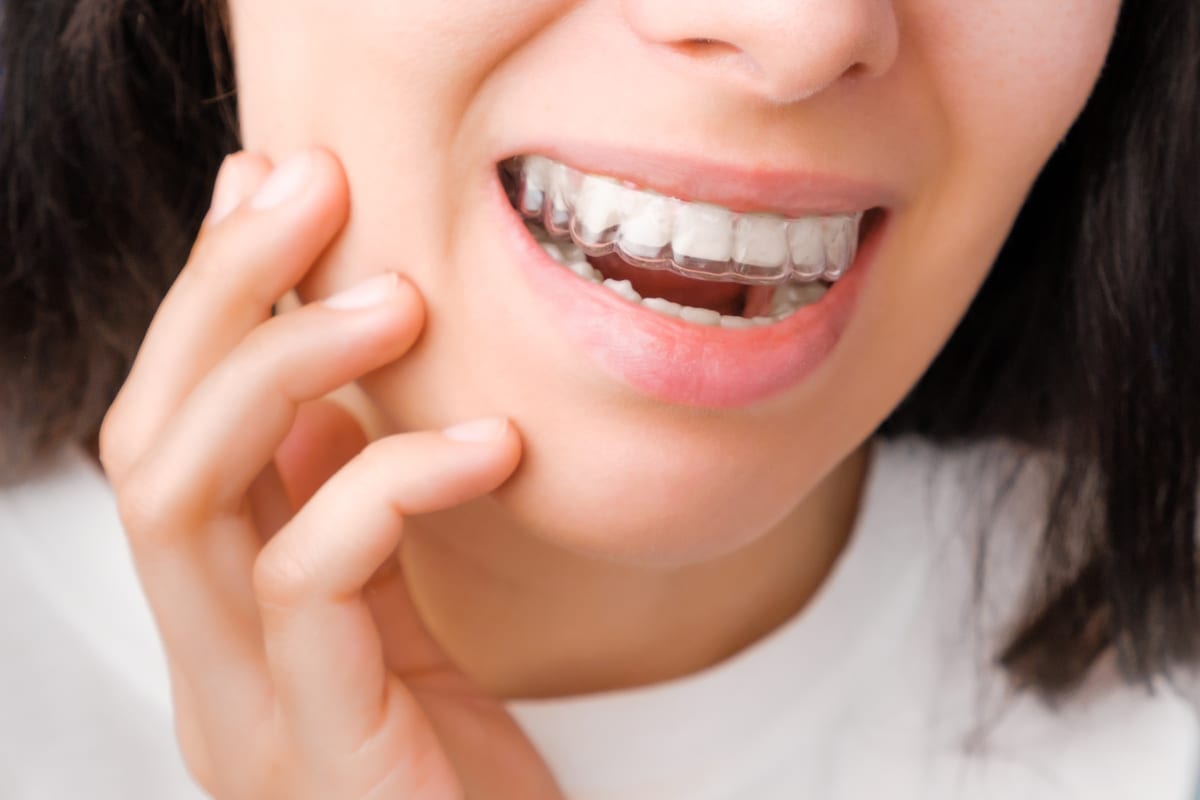
Invisalign uses a series of custom-made, clear plastic aligners. You swap to a new set roughly every one to two weeks. Each aligner makes small, precise shifts. Unlike braces, there are no wires or brackets involved.
Both systems move teeth through consistent, controlled force. The core difference lies in the materials, the method, and — critically — the patient experience day to day. For adults in St. Louis weighing Cosmetic Dentistry St. Louis options, this distinction often determines which path feels right.
Comfort and Daily Life: Which Option Wins for Adults?
Adults live busy, visible lives. Comfort and discretion matter more than they might for a teenager. Braces can cause soreness after adjustments. Brackets sometimes irritate the inside of your cheeks or lips. Certain foods — popcorn, hard candy, crusty bread — are off-limits entirely.
Invisalign aligners are smooth plastic with no sharp edges. Most patients report less irritation compared to metal brackets. You remove them before eating, so there are zero food restrictions. You can drink water freely while wearing them.
Here are the key daily-life advantages Invisalign offers adult patients:
- Virtually invisible appearance — aligners are clear and low-profile
- Removable for meals, drinks, and special occasions
- Easier oral hygiene — brush and floss normally
- No emergency visits for broken brackets or popped wires
- Fewer office visits overall in many treatment plans
Braces have their own advantages, though. They require zero patient discipline beyond dietary restrictions. The appliance works constantly, whether you think about it or not. For patients who may struggle with consistent aligner wear, braces can actually deliver more reliable results.
Treatment Scope: What Can Each System Actually Fix?
This is where the comparison gets nuanced. Braces have a longer track record and can address a wider range of complex orthodontic issues. Severe overcrowding, significant bite misalignment, and rotated teeth sometimes respond better to traditional braces. Your dentist or orthodontist will assess your specific case honestly.
Invisalign technology has advanced significantly over the past decade. Modern Invisalign can treat mild to moderate crowding, spacing issues, overbites, underbites, and crossbites. For many adults with common alignment concerns, Invisalign delivers outcomes just as effective as braces.
Consider these treatment scope factors when comparing your options:
- Mild to moderate alignment issues — Invisalign often performs equally well
- Severe crowding or complex bite problems — braces may offer more control
- Tooth rotation — braces typically handle significant rotation more effectively
- Relapse correction after prior treatment — both options can apply depending on severity
- Overall treatment time — often comparable, though complex cases vary
Dr. Maxwell evaluates each patient individually. A thorough examination and digital imaging at Crestwood Dental Group will reveal which system can realistically achieve your goals.
Compliance and Consistency: The Invisalign Responsibility Factor
Here’s an honest truth about Invisalign: it only works when you wear it. Aligners must stay in your mouth 20 to 22 hours per day to stay on track. Remove them for meals and oral hygiene — then put them right back in. That’s the commitment the system requires.
For highly motivated adults, this is rarely a problem. You control the process. But if aligners come out too often — for social events, long meals, or simply forgetting — treatment can stall or produce incomplete results. Braces remove that variable entirely. The appliance is fixed. It works continuously without any decision-making required from the patient.
Be honest with yourself when choosing. If you travel frequently, have a demanding schedule, or feel confident about consistency, Invisalign is likely a great fit. If you prefer a treatment that runs on autopilot, braces may suit your lifestyle better.
Cost Comparison: Invisalign vs. Braces in St. Louis
Cost is a genuine consideration for most adults. In St. Louis, traditional metal braces typically range from $3,000 to $6,000 depending on case complexity and treatment duration. Invisalign treatment falls in a similar range — generally between $3,500 and $7,000 for comprehensive adult treatment.
The gap between the two has narrowed considerably in recent years. Invisalign no longer carries the dramatic premium it once did. Both options may be eligible for flexible financing plans, and Crestwood Dental Group offers payment options to make treatment accessible for St. Louis patients.
The best way to understand your actual cost is to schedule a consultation. Dr. Maxwell will assess your case and provide a transparent treatment estimate. There’s no guesswork, and no pressure to decide on the spot.
Which Option Is Right for You as an Adult in St. Louis?
There’s no single correct answer. The right choice depends on your teeth, your habits, your goals, and your lifestyle. Invisalign often suits adults who prioritize aesthetics, flexibility, and comfort. Braces often suit adults with more complex alignment needs or those who prefer a hands-off approach to compliance.
What matters most is getting a professional opinion specific to your smile. A general assessment you read online can’t replace a clinical examination. Dr. Maxwell brings years of experience helping St. Louis adults navigate exactly this decision — with honesty and without pressure.
If you ever experience a dental emergency during your orthodontic journey, Crestwood Dental Group also provides Emergency Care St. Louis patients can count on quickly and reliably.
Your smile transformation starts with one conversation. Book Now to schedule your appointment with our team and find out which treatment is the right fit for your adult orthodontic needs.
Frequently Asked Questions
Is Invisalign as effective as braces for adults?
For mild to moderate alignment issues, Invisalign is just as effective as traditional braces in most adult cases. Complex bite problems or severe crowding may still respond better to braces. Dr. Maxwell evaluates each patient individually to recommend the most effective option.
How long does Invisalign treatment take for adults?
Most adult Invisalign treatment plans range from 12 to 18 months, depending on case complexity. Simpler cases may complete in as few as six months. Traditional braces treatment timelines are often comparable, though severe cases can take longer with either system.
Can adults wear Invisalign at any age?
Yes. Invisalign is well-suited for adults of any age, provided your teeth and gums are healthy. Many patients in their 30s, 40s, and even 50s successfully complete Invisalign treatment. A consultation with Dr. Maxwell will confirm whether you’re a good candidate.
Do braces or Invisalign hurt more?
Both treatments cause some discomfort, especially after adjustments or aligner changes. Braces can irritate soft tissue with brackets and wires. Invisalign aligners are smooth plastic and generally cause less irritation, though pressure during tooth movement is normal with both systems.
How do I get started with orthodontic treatment at Crestwood Dental Group?
Simply schedule a consultation with Dr. Maxwell at Crestwood Dental Group in St. Louis. During your visit, you’ll receive a full examination, imaging if needed, and a personalized recommendation comparing your options. There’s no obligation, and all questions are welcome.