
Is This a Dental Emergency? Your Quick Triage Guide

Tooth pain strikes at the worst moments. Maybe your jaw swelled overnight. Maybe a tooth just cracked during dinner. Knowing whether your situation is a true dental emergency can feel overwhelming. This quick triage guide helps St. Louis patients answer the question: Is this a dental emergency? We will walk through the most common scenarios — pain, swelling, bleeding, and loose teeth — so you know exactly what to do next.
What Counts as a Dental Emergency?
A dental emergency is any situation that risks permanent damage, severe infection, or unbearable pain. Not every toothache requires a same-day visit. But some symptoms cannot wait even a few hours. Understanding the difference protects your health and saves you unnecessary worry.
Here are situations that almost always qualify as true emergencies:
- Severe, throbbing tooth pain that does not respond to over-the-counter pain relief
- Facial or gum swelling that spreads quickly
- A knocked-out or completely dislodged tooth
- Uncontrolled bleeding in the mouth after injury
- A dental abscess with visible swelling, fever, or difficulty swallowing
If you recognize any of these, contact Emergency Care St. Louis at Crestwood Dental Group right away. Delaying care can turn a treatable problem into a serious one.
Triage by Symptom: Pain, Swelling, Bleeding, and Loose Teeth
Let us break down the four most common emergency scenarios. Each one has specific signals that tell you how urgently to act. Use this section as your at-home triage checklist.
Tooth Pain
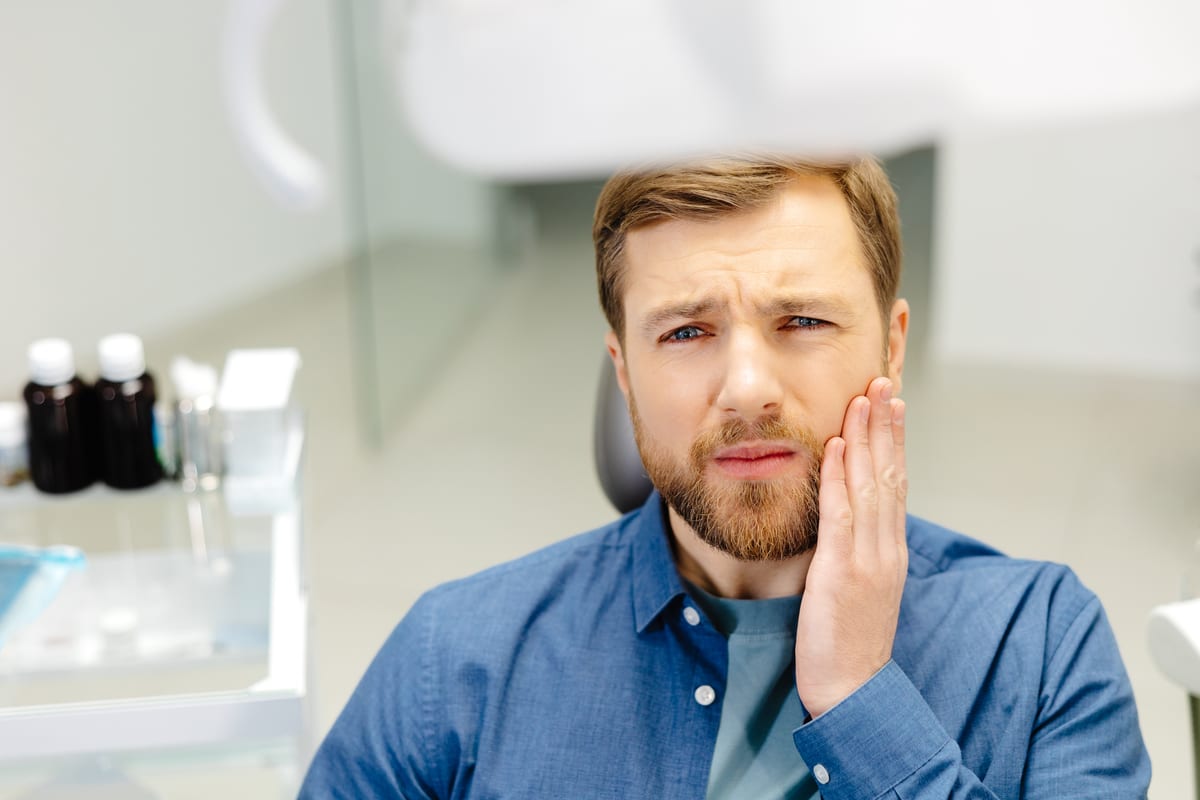
Mild, occasional sensitivity is usually not an emergency. Sharp pain when biting, or constant throbbing pain, is a different story. Intense pain can signal a cracked tooth, deep cavity, or dying nerve. Do not wait more than 24 hours if the pain is severe or worsening.
Facial or Gum Swelling
Swelling is one of the most serious warning signs. It often means infection has spread beyond the tooth. A dental abscess can become life-threatening if bacteria enter the bloodstream. Seek same-day care immediately if you notice swelling in your face, jaw, or neck.
Bleeding
Some bleeding after a tooth extraction is normal. Bleeding that does not stop after 20 minutes of firm pressure is not. Heavy or unexplained gum bleeding also warrants a prompt call to your dentist. Do not ignore persistent bleeding — it needs professional evaluation.
Loose or Knocked-Out Tooth
A knocked-out permanent tooth is a true dental emergency. Time is critical — ideally, you need care within 30 to 60 minutes. Keep the tooth moist by placing it back in the socket or storing it in milk. A loose tooth after trauma also needs same-day attention to prevent permanent loss.
Situations That Can Usually Wait
Not every dental problem requires you to drop everything. Some issues are uncomfortable but stable. Knowing what can wait helps you stay calm and plan appropriately.
These situations are uncomfortable but generally not emergencies:
- A small chip on a tooth with no pain or sharp edges
- A lost crown or filling that causes mild sensitivity
- Mild, intermittent tooth sensitivity to hot or cold
- A dull toothache that responds to ibuprofen
Even if these issues can wait a day or two, you should still call Crestwood Dental Group to schedule an appointment soon. Leaving dental problems unaddressed allows them to worsen over time. When in doubt, call us and describe your symptoms — our team can help you decide.
What to Do Before You Reach Our St. Louis Office
Taking the right steps before your appointment can reduce pain and protect your tooth. These first-aid tips apply to the most common emergency scenarios.
For a knocked-out tooth: Handle it by the crown, not the root. Rinse it gently with water. Try to reinsert it into the socket if possible. If not, store it in a glass of milk and get to our office immediately.
For swelling or abscess: Apply a cold compress to the outside of your cheek. Take an over-the-counter anti-inflammatory like ibuprofen if you tolerate it. Avoid heat — it can worsen swelling and spread infection. Head straight to emergency dental care.
For a cracked or broken tooth: Rinse your mouth with warm water. Save any broken pieces you can find. Avoid chewing on that side of your mouth until you are seen by a dentist.
For uncontrolled bleeding: Bite down firmly on a clean gauze pad or cloth. Apply steady pressure for at least 20 minutes without peeking. If bleeding continues, call us or go to an urgent care facility.
How Crestwood Dental Group Handles Dental Emergencies in St. Louis
Dr. James Maxwell and the team at Crestwood Dental Group understand that emergencies are stressful. We offer same-day dentistry to get you out of pain as quickly as possible. Our St. Louis office is equipped to handle a wide range of urgent situations — from abscesses to trauma to broken restorations.
We also offer a full range of services beyond emergency care. Whether you need to restore a damaged smile or explore Cosmetic Dentistry St. Louis options after an injury, we have solutions for every situation. Our goal is to keep your smile healthy, comfortable, and confident — no matter what life throws at you.
If you are unsure whether your situation qualifies as an emergency, call our office and speak with a team member. We would rather help you assess the situation over the phone than have you wait and risk your health. Your comfort and safety are always our first priority.
Do not let uncertainty keep you from getting the care you need. Book Now to schedule your appointment with our team.
Frequently Asked Questions
How do I know if my toothache is an emergency?
A toothache is likely an emergency if the pain is severe, constant, or accompanied by swelling, fever, or a bad taste in your mouth. These signs can indicate infection or nerve damage that needs prompt treatment. If over-the-counter pain relief does not help within a few hours, call your dentist right away.
What should I do if I knock out a tooth?
Pick up the tooth by its crown and avoid touching the root. Rinse it gently with water and try to reinsert it into the socket if possible. If that is not an option, store it in milk and get to a dental office within 30 to 60 minutes. Quick action gives you the best chance of saving the tooth.
Is facial swelling always a dental emergency?
Yes — facial swelling related to your teeth or gums should always be treated as an emergency. Swelling can signal a spreading infection or dental abscess that may become dangerous if untreated. Seek same-day dental care and do not wait to see if it improves on its own.
Can a lost filling or crown wait until a regular appointment?
In most cases, a lost filling or crown can wait one to two days if you are not in significant pain. However, you should still call your dentist promptly to schedule a visit. Avoid chewing on that side and use dental cement from a pharmacy as a temporary fix if needed.
Does Crestwood Dental Group offer same-day emergency appointments in St. Louis?
Yes. Crestwood Dental Group offers same-day dentistry for dental emergencies in St. Louis, MO. Dr. James Maxwell and our team prioritize urgent cases to get you out of pain as quickly as possible. Call our office as soon as your emergency arises so we can fit you in at the earliest available time.